

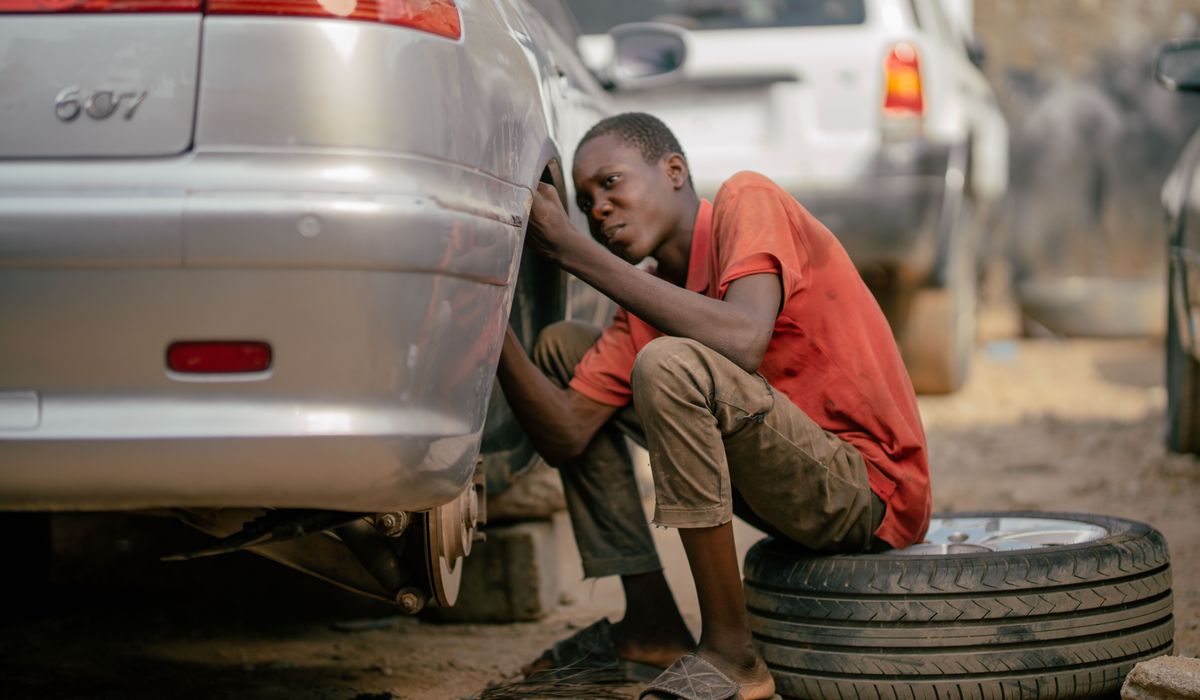
Why rust takes hold faster in South Yorkshire
Sheffield's weather is famously damp, and that moisture is the enemy of steel. Add in the gritters that spread salt across the city's steep roads every winter, and you have near-perfect conditions for corrosion. Salt lowers the freezing point of water, but it also accelerates the electrochemical reaction that turns iron into iron oxide. That means a small stone chip on your bonnet or a scuff on your sill can bloom into a bubble of rust within a single season. Cars that live outside, especially near the Peak District where mist and rain linger, are at even greater risk. The good news is that rust rarely appears overnight. If you know where to look and act when you first spot it, you can often save the panel – and your wallet.
Where to check for rust on your car
Some areas are rust magnets on almost every make and model. Start by crouching down and looking along the sills – the vertical panels below the doors. They take a beating from road spray and often trap mud and leaves. Next, inspect the wheel arches, particularly the rear ones where water sits. Check the boot floor and spare wheel well, especially on older hatchbacks and estates. Look around the windscreen and rear window seals, the bottom corners of doors, and the seams under the bonnet. On many cars, the front suspension turrets and subframe mounts also corrode. Finally, don't forget the boot lid lip and the area around the number plate lights. In Sheffield, cars that park under trees also collect sap and damp leaf litter, which holds moisture against the paint.
Spotting the early signs: bubbles, staining and rough paint
Rust rarely starts as a hole. It begins as a tiny bubble under the paint, often the size of a pinhead. Run your fingers along the panels – if the surface feels gritty or uneven, that's a clue. Look for orange or brown staining around stone chips, scratches, or the edges of trim. On lighter-coloured cars, you might see a faint yellow tinge. On darker cars, a dull patch that won't polish out is a warning. When you find a bubble, press it gently with your thumb. If it feels soft or crunches, the rust has already eaten through the metal from behind. If it's still firm, you've caught it early. Also check the underside of the wheel arches and the inner sills with a torch – surface rust looks like a fine orange dust, while deeper corrosion is flaky and dark.
Treating surface rust at home
If the rust is only on the surface – no soft metal, no holes – you can tackle it yourself. Start by washing the area and drying it thoroughly. Use a wire brush or sandpaper to remove all the loose rust and flaky paint until you reach bare, shiny metal. Feather the edges of the surrounding paint so the repair blends in. Treat the bare metal with a rust converter, which turns any remaining iron oxide into a stable black primer. Then apply a zinc-rich primer, followed by a coat of etch primer if you're using cellulose or acrylic paint. Build up thin layers of colour-matched topcoat, allowing each to dry. Finish with a clear lacquer for protection. For small chips, a touch-up pen works well, but always seal the edges with lacquer to stop water creeping under the paint.
When rust needs professional attention
Some rust is beyond a DIY fix. If you can push a screwdriver through the metal, or if the bubbles are large and the panel feels spongy, you're into welding territory. Structural areas – sills, chassis legs, suspension mounts, seatbelt anchor points – must be repaired properly for MOT safety. In Sheffield, many independent garages can cut out the rot and weld in new metal, but expect to pay accordingly. If rust has spread along a seam or around a window, it often means the panel needs replacing. Don't be tempted to just fill it with body filler; trapped moisture will bubble through again within months. A professional will also treat the inside of the panel with cavity wax to prevent a repeat.
Keeping rust at bay in Sheffield's climate
Prevention is far cheaper than repair. Wash your car regularly, especially the underside and wheel arches, to remove road salt and mud. In winter, a quick rinse after every gritting run makes a real difference. Apply a hard wax to painted surfaces twice a year – it seals the paint and stops water sitting on the metal. Treat any stone chips immediately with a touch-up pen. For the underside, a coat of underseal or wax-based cavity protection sprayed into sills and box sections will keep moisture out. If you park on the street, avoid leaving your car under trees where sap and leaves trap damp. Finally, check your boot floor and spare wheel well after heavy rain – a leaking seal can turn a dry car into a rust trap. A little routine care now will keep your car solid for years of South Yorkshire driving.


Coding is used in almost all aspects of life and work now, be it directly or indirectly. It’s not just for companies in the tech sector. “An increasing number of businesses rely on computer code,
Coding is used in almost all aspects of life and work now, be it directly or indirectly. It’s not just for companies in the tech sector. “An increasing number of businesses rely on computer code,
Coding is used in almost all aspects of life and work now, be it directly or indirectly. It’s not just for companies in the tech sector. “An increasing number of businesses rely on computer code,